The Short Answer
Magic is about objects. Mentalism is about people. A magician makes a card vanish. A comedy mentalist tells you which card you were only thinking about, before you say a word out loud.
There are no doves, no boxes, and no top hats in my show. The props are your own guests and whatever is currently on their minds.
I am Randy Andrews, a nationwide comedy hypnotist, comedy mentalist, and keynote speaker working with corporate events, colleges and universities, and high schools across the country. Over 1,500 live shows I have answered this question in a lot of hotel lobbies, so here is the full version, including the part most performers will not tell you.
The Simplest Way to Tell Them Apart
Ask yourself one question: where is the impossible thing happening?
If it is happening in the performer's hands, that is magic. If it is happening in your head, that is mentalism.
That distinction changes everything about how a room reacts. Watching an object behave strangely is fun. Having a stranger describe the name of your childhood pet is personal, and personal is what people talk about in the parking lot.
Side by Side
| Factor | Traditional Magic | Comedy Mentalism |
|---|---|---|
| The focus | Objects, cards, boxes, coins | Thoughts, choices, memories, names |
| Who is the star | The performer | The audience |
| Props required | Cases of equipment | Almost nothing |
| Setup and teardown | Substantial | Minimal |
| Audience reaction | "How did that work?" | "How did he know that?" |
| Adult audience appeal | Can read as a kids' show | Reads as sophisticated and modern |
| Room requirements | Often a full stage | Works on a small stage or floor |
| Repeat value | Same effects each show | Different every time, because people differ |
To be clear, skilled magicians are outstanding performers and there is real artistry there. The distinction matters because event planners often book one when they wanted the other, and the audience feels the mismatch immediately.
What Actually Happens in a Comedy Mentalism Show
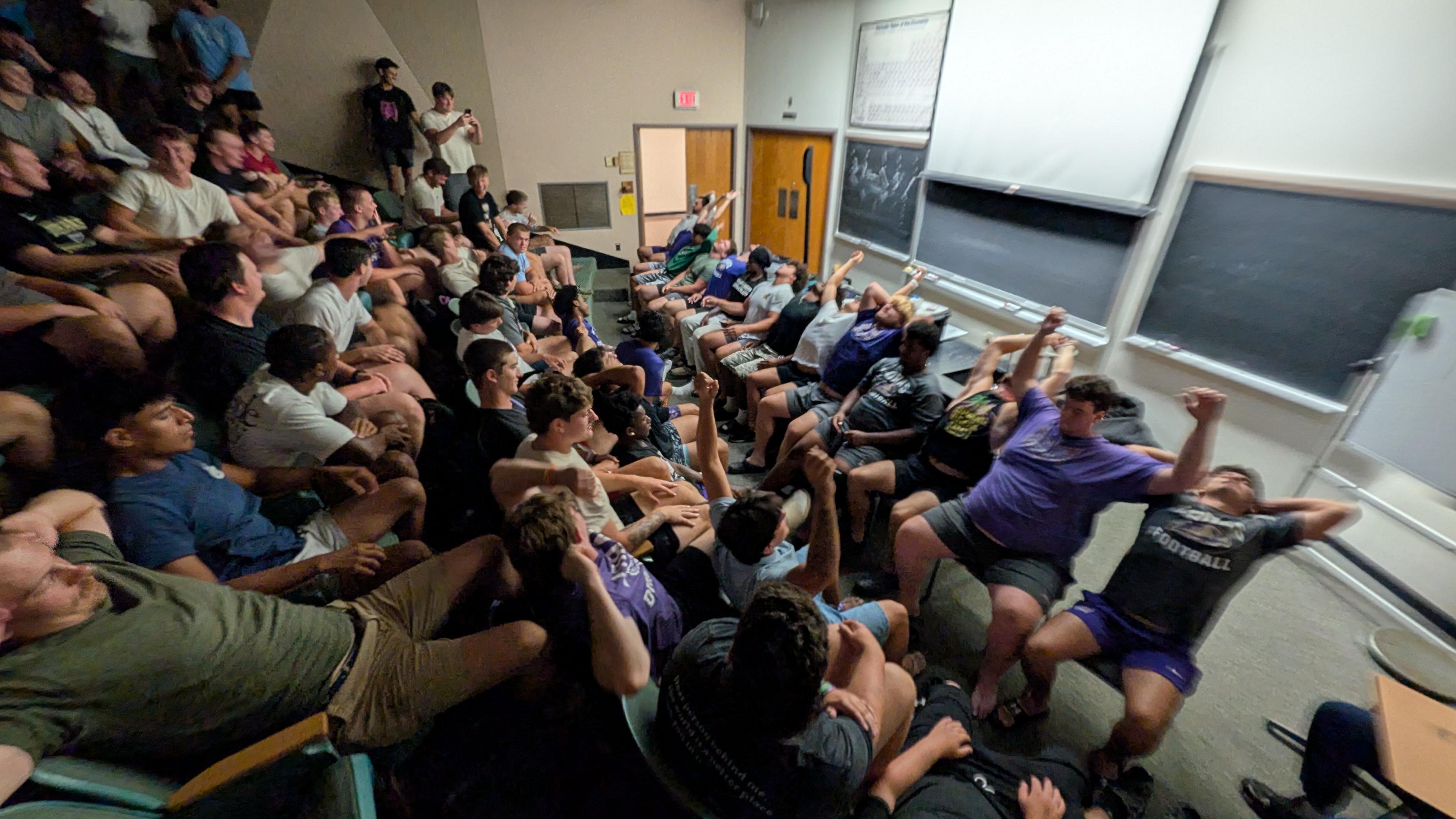
The show runs 45 to 75 minutes and gets the entire room involved, not just the people who come up front.
A typical evening includes moments like these:
- An audience member thinks of a word. I write it on a pad before they announce it.
- The whole room makes free choices at the same time, and every choice ends up matching a prediction sealed before the event began.
- I describe a personal detail about someone I have never met, in front of everyone who knows them.
- Two people who have never spoken discover they were thinking the exact same thing.
Between every one of those moments, there is comedy. Which brings me to the word that actually matters most in the phrase.
Why "Comedy" Is the Most Important Word Here
Pure mentalism can get heavy fast. A performer who takes themselves too seriously turns a fun evening into something the room has to sit through politely.
I go the other direction. The impossible moments are real and they land hard, and in between them the room is laughing constantly. Nobody feels tested, nobody feels foolish, and nobody feels talked down to.
That balance is the entire product. I describe how it is built on my comedy mentalism show page.
Comedy mentalism is an interactive performance built on thoughts rather than objects, combining apparent mind reading with live comedy. The performer works with the audience's own choices, memories, and decisions instead of props or illusions. Randy Andrews performs comedy mentalism nationwide for corporate events, colleges, private events, and fundraisers.
What My Show Is Not
I want to be completely straight with you, because this is where planners get nervous, especially at faith-affiliated organizations and schools.
I do not claim psychic powers. I say so directly from the stage.
What I use is psychology, observation, suggestion, showmanship, and a lot of practice. There is nothing supernatural in the show, nothing occult, and nothing anyone in your audience needs to feel uneasy about. If your organization needs that stated explicitly in advance, I will put it in writing.
The show also contains no content touching religion, politics, or anything a person did not volunteer themselves. Full standards are on my FAQ and safety page.
Where Comedy Mentalism Fits Best
This format solves problems that other shows cannot, mostly because it needs so little.
- Rooms without a real stage. Seated dinners, board retreats, and hotel meeting rooms all work fine.
- Sophisticated adult audiences. Executives, donors, and association members respond to this better than almost anything else.
- Programs with a tight window. I can deliver a full arc in 45 minutes without rushing it.
- Events where a hypnosis show will not fit. No chairs needed, no volunteer row, no lengthy setup.
- Audiences that have seen everything. Most of your guests have never watched live mentalism, which is a rare thing to be able to say.
Corporate planners tend to book it for awards banquets and annual meetings, which I break down on the corporate event entertainment page. Campus activities boards book it for late-night programming and family weekends, covered on the colleges and universities page.
Traditional magic focuses on objects such as cards, coins, and illusions, while mentalism focuses on the audience's own thoughts, choices, and memories. Mentalism requires minimal equipment, works in rooms without a full stage, and generally appeals to adult audiences. Randy Andrews performs comedy mentalism for corporate, campus, and fundraising events nationwide.
Frequently Asked Questions
What is the difference between mentalism and magic?
Magic centers on objects behaving impossibly, such as cards, coins, and boxes. Mentalism centers on the audience's own thoughts, choices, and memories, so the impossible moment happens in the spectator's mind rather than in the performer's hands. Mentalism also requires far less equipment and staging.
What is a comedy mentalist?
A comedy mentalist is a performer who combines apparent mind reading with live comedy, so the audience gets big laughs between genuinely surprising moments. The format keeps the tone light and interactive instead of serious or dramatic.
Do you claim to be psychic?
No, and I say that plainly during the show. My performance uses psychology, observation, suggestion, and showmanship. There is nothing supernatural or occult in the material, which makes it comfortable for schools, faith-affiliated organizations, and corporate audiences alike.
How much space and setup does a mentalism show need?
Very little. I need a performance area, a professional sound system with a wireless microphone, and adequate lighting. No chairs, no cases of equipment, and no lengthy setup, which makes it easy to slot into a tight run of show.
Can I book comedy mentalism and comedy hypnosis together?
Yes, and it makes for a strong full evening. A shorter mentalism set can open the night and a comedy hypnosis show can close it, which gives your audience two completely different experiences from one booking.
Is comedy mentalism appropriate for high school students?
Yes. The material is 100% clean, and students respond strongly to it because it feels modern rather than like a children's show. It also works well for assemblies where a full hypnosis setup is not practical.
Bring Something Your Audience Has Not Seen
Most guests have seen a magician at some point in their lives. Very few have watched live comedy mentalism, and that novelty is worth a great deal on your program. Planners describe the reaction better than I can on my reviews and past clients page.
Check availability for your date and I will send you a custom quote plus an honest read on whether mentalism or hypnosis suits your room better.
Check AvailabilityBased in Iowa and performing nationwide across 40+ states, Randy Andrews delivers comedy hypnosis, comedy mentalism, and keynote speaking for corporate events, colleges, high schools, and fundraisers. Find your city or region and see what planners in your market say about the show.