The Short Answer
Most galas are sold on obligation. People buy a ticket because a board member asked them and saying no would be awkward. That works, and it caps your ceiling at the size of your board's personal network.
A compelling headline act is how you sell tickets to people who do not know anybody on your board yet. It gives your invitation an answer to the only question a prospective guest is really asking: what am I actually going to do that night?
I am Randy Andrews, a nationwide comedy hypnotist, comedy mentalist, and keynote speaker performing for fundraisers, corporate events, colleges, and high schools across the country. Over more than 1,500 live shows, events I have performed at have helped charities raise over $100,000. Here is how the committees that fill a room actually do it.
Why Obligation Selling Caps Your Growth
Run the math on your own event and you will see it immediately.
If every table is sold by a board member to someone in their personal network, your maximum attendance is the sum of your board's social capital. That number does not grow much year over year, and it shrinks every time a board member rotates off.
Worse, obligation tickets produce obligation guests. They come, they eat, they leave before the appeal, and they do not come back next year unless asked again.
Guests who bought because they genuinely wanted to attend behave completely differently. They stay, they bid, and they bring someone next year without being asked.
What Actually Makes Someone Buy a Ticket
Four motivations, in the order they typically drive a purchase:
- Social obligation. Somebody asked. Reliable, and it does not scale.
- Genuine mission connection. Powerful, and limited to people already close to your cause.
- Business visibility. Sponsors and table buyers who want to be seen supporting you.
- The night sounds good. The only one of the four that reaches strangers, and the only one most committees leave completely unused.
You are probably already working the first three hard. The fourth is where your growth is sitting.
Put the Entertainment on the Invitation
This sounds obvious. Almost nobody does it.
Look at your last invitation. My guess is it led with your organization name, the date, the venue, and a sponsorship tier chart. Somewhere in smaller type it said "dinner, silent auction, and entertainment."
"Entertainment" is not a reason to buy a ticket. A specific, describable experience is.
Compare these two:
"Join us for dinner, a silent auction, and entertainment."
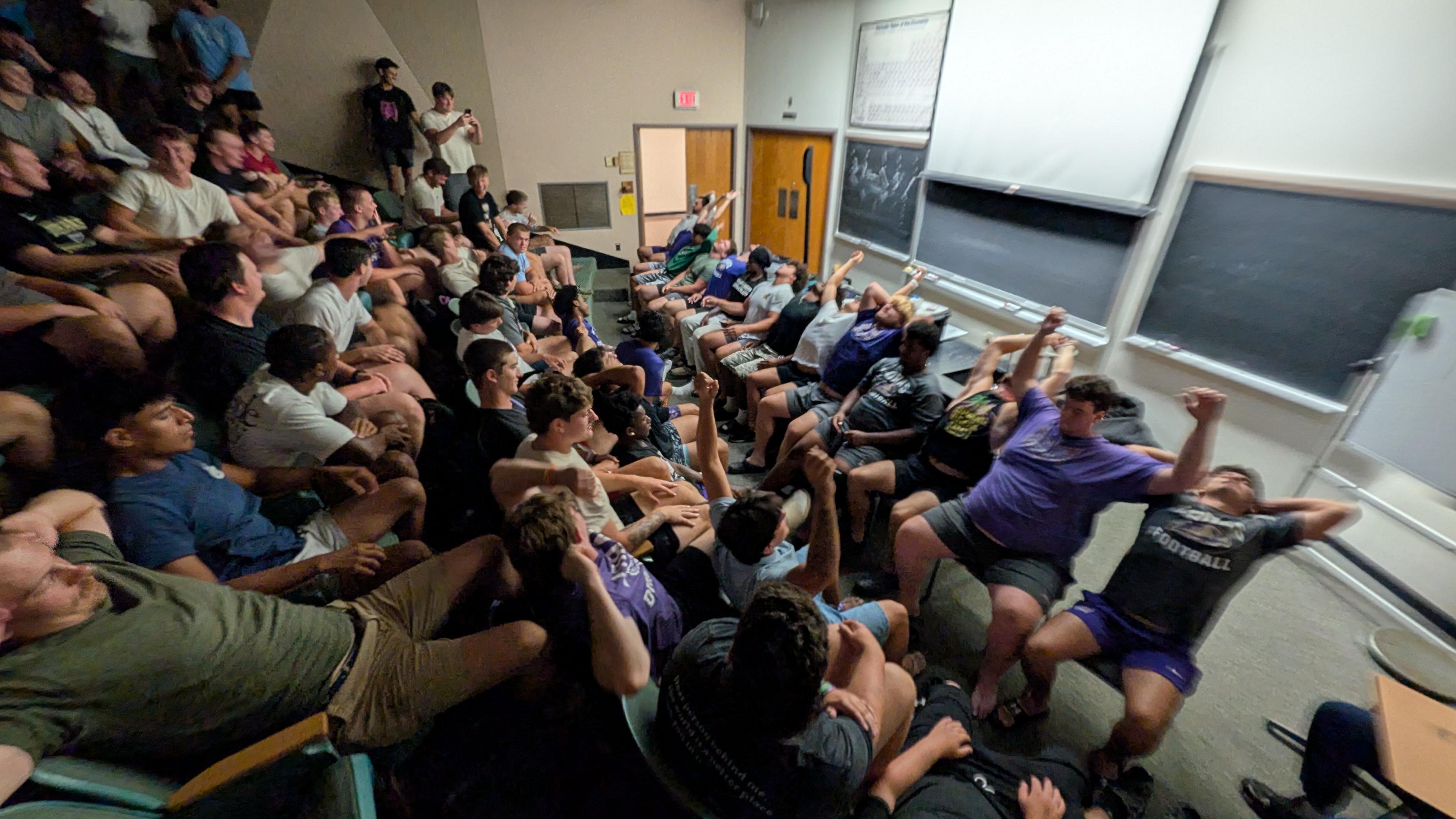
"Watch your friends and neighbors take the stage in a comedy hypnosis show, then bid on the auction of the year."
The second one gets forwarded. The first one gets filed. Same event, same budget, completely different response rate.
Gala ticket sales expand beyond a board's personal network when the invitation describes a specific experience rather than listing generic program elements. Naming the entertainment and describing what guests will actually see gives prospective attendees a reason to purchase independent of social obligation. Randy Andrews performs at nonprofit fundraising events nationwide.
The Marketing Calendar That Fills a Room
| Timing | Action | The Message |
|---|---|---|
| 6 months out | Save the date, act already booked | Name the entertainment in the first announcement |
| 4 months out | Sponsorship outreach opens | Sponsors get audience size and visibility |
| 3 months out | Invitations and public announcement | Lead with the experience, not the tier chart |
| 8 weeks out | Board table push begins | Give board members something easy to say |
| 4 weeks out | Social proof and video | Show footage of the act, not a headshot |
| 2 weeks out | Final urgency push | Tables remaining, not tickets remaining |
| Week of | Day-before reminder | Logistics only, no new selling |
The most commonly skipped row is the first one. If you book your act after the save-the-date has gone out, you have already given away your strongest announcement.
Give Your Board Something Easy to Say
Here is a small thing that changes table sales more than anything else on this page.
Most board members hate asking. Not because they do not believe in the cause, but because "will you buy a $150 ticket to our fundraiser" is a hard sentence to say to a friend.
Hand them a different sentence. "We booked a comedy hypnotist this year and I want you at my table, it is going to be a great night." That is a social invitation rather than a solicitation, and board members will actually send it. Write the sentence for them. Put it in an email they can forward. That single asset outperforms most of your printed materials.
Use the Act in Your Materials Properly
- Video over photos. Thirty seconds of a real audience reacting sells better than any still image.
- Show the crowd, not the performer. Prospective guests want to see people like them having a good time.
- Name it in the subject line. Your email open rate is the whole battle. "Comedy hypnosis at this year's gala" beats "Annual Gala Invitation."
- Ask the performer for assets. Photos, video, bios, and social copy should come with the booking. If they do not, that tells you something.
- Sell the entertainment as its own sponsorship. "Presented by [local business]" is easy for a sponsor to say yes to and frequently funds the entire line.
That last point deserves emphasis. A named entertainment sponsorship can make the act revenue-neutral before a single ticket sells. Ask your board who owns a business that would want their name on the fun part of the night.
Selling the entertainment as a named sponsorship frequently offsets its full cost before ticket sales begin. Because a specific, visible element is easier for a sponsor to commit to than a generic tier, entertainment sponsorships often close faster than equivalent-value general sponsorships at nonprofit fundraising events.
What This Does to Next Year
The compounding effect is the part committees underestimate most.
When a gala is genuinely enjoyable, guests do two things without being asked. They tell people who did not attend, and they buy again earlier the following year.
"You have to come, you missed it last time" is the best fundraising copy ever written, and your guests produce it for free. No campaign you run will outperform it. That is why I keep pointing committees toward one strong anchor rather than a broader spread. The anchor is what people describe.
Frequently Asked Questions
How do you sell more gala tickets?
Give prospective guests a reason to attend that does not depend on knowing someone on your board. Name a specific entertainment experience in your announcements, lead your invitation with what the night will be like rather than a sponsorship chart, and give board members a social sentence they are comfortable sending.
When should we announce our gala entertainment?
In the save-the-date, six months out. Booking the act after your first announcement wastes your strongest marketing moment, since the entertainment is the single most forwardable detail in the entire campaign.
What are good charity event marketing tactics?
Lead with the experience rather than the organization, use short video of real audiences rather than posed photos, put the entertainment in email subject lines, and equip board members with a forwardable invitation. Urgency messaging should reference remaining tables rather than remaining tickets.
How do we get people who are not already donors to attend?
Give them a reason unrelated to the mission. New attendees come for the night itself, then become donors after they have experienced the organization in person. Entertainment is the most reliable way to make that first attendance appealing to someone with no prior connection.
Can the entertainment pay for itself?
Frequently, through a named entertainment sponsorship. Sponsors commit more readily to a specific visible element than to a generic tier, so the line often closes before ticket sales begin. Booking and format questions are answered on the FAQ page.
How far in advance should we book?
Six to twelve months, and earlier if your event falls in a peak spring or fall weekend. Booking early is also what lets you name the act in your save-the-date, which is where most of the marketing value lives.
Give Your Invitation Something to Say
Every gala committee I meet is working hard on the parts of the night that happen after guests arrive. The harder problem is getting them through the door in the first place, and that gets solved months earlier on an invitation. Program details are on my fundraising and gala entertainment page, the show format is on the comedy hypnosis show page, and past clients describe the turnout on my reviews and past clients page.
Check AvailabilityBased in Iowa and performing nationwide across 40+ states, Randy Andrews delivers comedy hypnosis, comedy mentalism, and keynote speaking for corporate events, colleges, high schools, and fundraisers. Find your city or region and see what planners in your market say about the show.